
The digital world is more complex than ever. With cloud-native, microservices-based architectures, and a tsunami of telemetry data, IT operations teams are drowning. Traditional monitoring—relying on static dashboards and rule-based alerts—is no longer enough. The "alert fatigue" is real, and the time it takes to identify and fix issues (MTTR)...
How I keep up with AI progress (and why you must too)
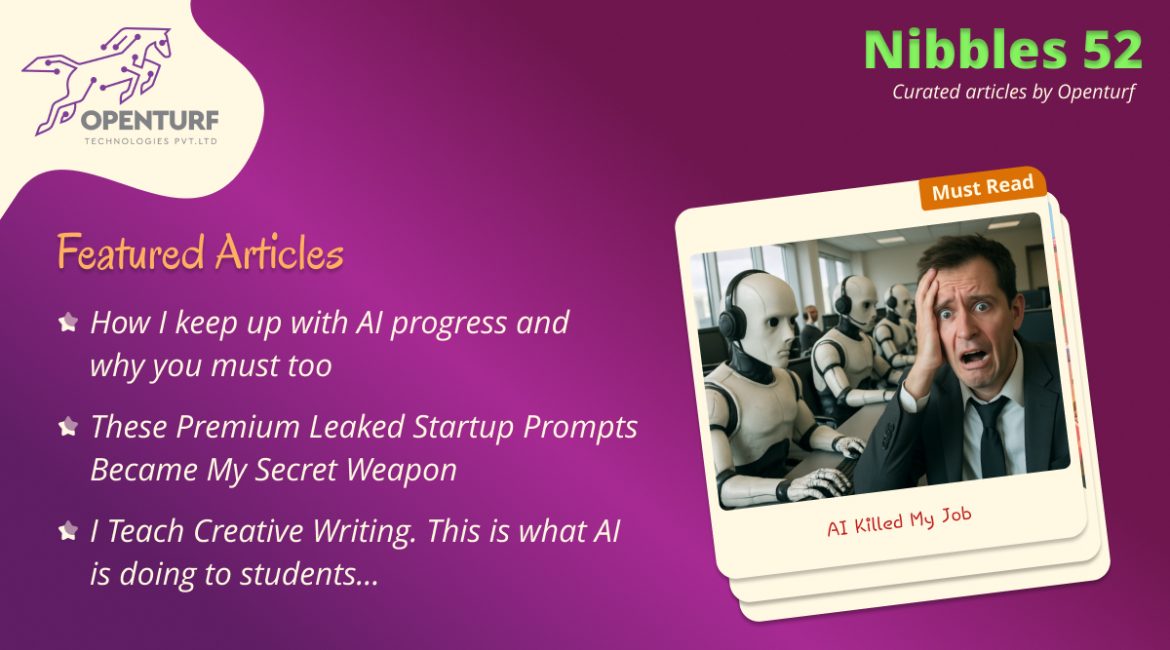
"How I Keep Up With AI Progress" outlines a deliberate strategy to stay informed amid the noise of AI hype and skepticism. The author advocates curating a high-signal feed from credible voices (like Simon Willison, Karpathy, and select researchers), following original sources from AI labs, and practicing intentional daily skimming...
Smart Hiring at Scale with StageOne – TurfAI Smart Accelerator
Powered by TurfAI – OpenTurf’s Generative AI Platform Executive Summary OpenTurf has been building smart accelerators to showcase the power of its TurfAI platform. One such innovation, StageOne, is an AI Video Interview Bot designed to automate and enhance technical hiring processes. In a recent internal rollout (dogfooding) for OpenTurf’s...
Building the Future of Document Intelligence for Fexo
The Challenge Fexo approached OpenTurf with an ambitious vision: to transform how the Banking, Financial Services, and Insurance (BFSI) sector processes vast amounts of document-intensive data. Their goal was to build an enterprise-grade platform capable of converting unstructured information into actionable intelligence using advanced AI. The core challenges were substantial:...
Key take‑aways from Andrej Karpathy’s keynote “Software Is Changing (Again)”
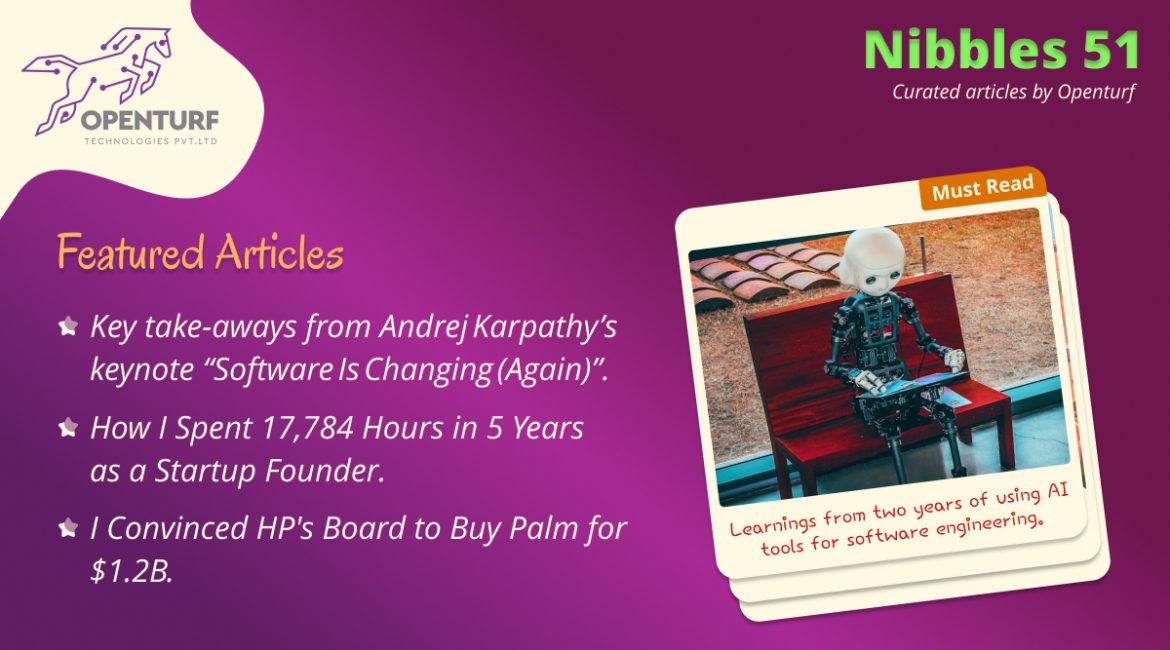
Three paradigms of software Software 1.0 – traditional hand‑written code.Software 2.0 – neural‑network “weights as code”, produced by training on data.Software 3.0 – large‑language‑model computers that you “program” with English prompts; the prompt is now the source code. Take a look at the video here Learnings from two years of using AI tools for software engineering...
Gen AI & Observability trends in 2025
As digital infrastructures grow increasingly complex, traditional observability methods often fall short in providing comprehensive insights.In 2025, observability has evolved from a reactive monitoring practice to a proactive, intelligent system powered by Generative AI. This transformation is enabling organizations to detect anomalies earlier, reduce mean time to resolution (MTTR), and...
How to Choose the Right Metrics for Your A/B Tests
Choosing the right metrics for your A/B tests is crucial to unlocking actionable insights and driving meaningful improvements in your product or website. But running an A/B test is not just about splitting your audience and measuring what performs better—it's about measuring the right thing. Whether you're optimizing a fintech...
Nibbles 50
For our 50th edition we wanted to go back and shortlist five articles that stand the test of time, in other words classical. In other words if one has to read only 5 articles of the 200 odd curation, we are confident that these 5 will stand the test of...
Empowering Classrooms Digitally: How OpenTurf Customized LMS for a Leading K–12 School – A Case Study
Client Overview A renowned K–12 school in Bangalore sought to digitally streamline its academic and administrative operations. While the institution had minimal digital tools for teachers and administrators, there was no student-facing platform for academic content delivery, assessments, or performance tracking. The school’s leadership envisioned a comprehensive Learning Management System...
How Generative AI Is Redefining FinTech: Benefits, Use Cases, and the Road Ahead
Generative AI is rapidly transforming the FinTech industry, offering new possibilities across various sectors, from banking and insurance to investment management and payment systems. As the technology matures, its role in reshaping the financial landscape grows more significant. This blog explores the scope of Generative AI in FinTech, its benefits,...